
No, it’s not a typo! Physiatry (pronounced fizz-eye-ah-tree) is the treatment of conditions that affect your everyday life, most often focusing on the skeletal and nervous systems. Physiatrists, also known as Physical Medicine and Rehabilitation (PM&R) specialists, use non-surgical approaches to address a wide variety of pain in the body.
What Do Physiatrists Do?
When it comes to pain in the nervous and skeletal systems, there could be any number of different causes. Think about that back or arm pain from sitting at your computer for too long, the decades-long back pain that hasn’t gone away, those achy knees from arthritis, or the sprained ankle that never quite healed fully. Anything that affects these systems is under the branch of physiatry.

While these are examples of the pain points themselves, a defining characteristic of physiatry is taking into account more than just the injury. The spotlight is put on function, which is why physiatrists must be well-versed in the whole body and how it operates, mentally as well as physically.
The Mind-Body Connection
That whole-body approach matters because our physical and mental well-being are often closely connected. Pain or an injury can keep you from doing the things you enjoy, disrupt your sleep, or make everyday activities more difficult. Over time, those limitations take a toll emotionally, contributing to stress, frustration, anxiety, or depression.
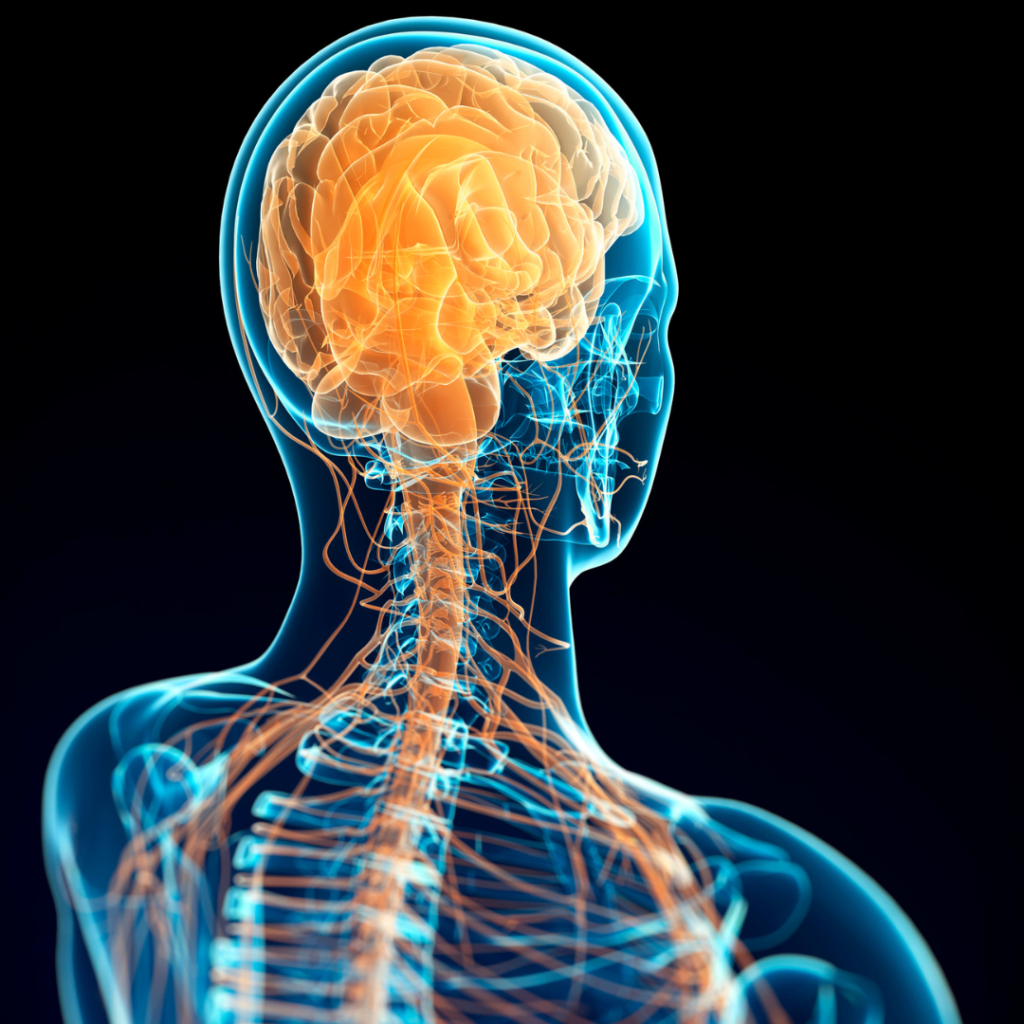
The connection can work in the other direction, too. Stress, anxiety, and depression often show up physically through muscle tension, headaches, fatigue, and unexplained pain. When mental and physical symptoms begin to overlap, addressing only one piece of the problem may not be enough.
By looking at the bigger picture, physiatry can help identify factors that may be contributing to how you feel. Then you can develop a treatment plan that supports both physical function and overall quality of life.
One of the places where the connection between mental and physical health becomes especially clear is the nervous system. Our bodies are constantly receiving and responding to signals, many of them without any conscious thought at all. Those automatic responses can protect us from danger. But they can also play a role in chronic pain, stress, and other symptoms when the system doesn’t respond as it should. This all stems from your body’s fight-or-flight response.
The Nervous System
The sympathetic nervous system is responsible for your body’s fight-or-flight response. It can:
- Accelerate your heart rate
- Increase blood pressure
- Trigger sweating
- Prepare your body to react
These responses happen automatically, typically before you even realize it. They’re hardwired into us and have helped keep humans safe for millions of years.
The sympathetic nervous system is made up of nerves throughout the body that help carry out this stress response. One important part of that network, particularly in the upper body, is the stellate ganglion.
Stellate Ganglion
The stellate ganglion is a collection of nerves at the base of the neck on both the left and right sides of the body, in the areas where the first ribs connect to the spine. These nerves help carry sympathetic nervous system signals to the upper body, including the head, neck, chest, and arms.
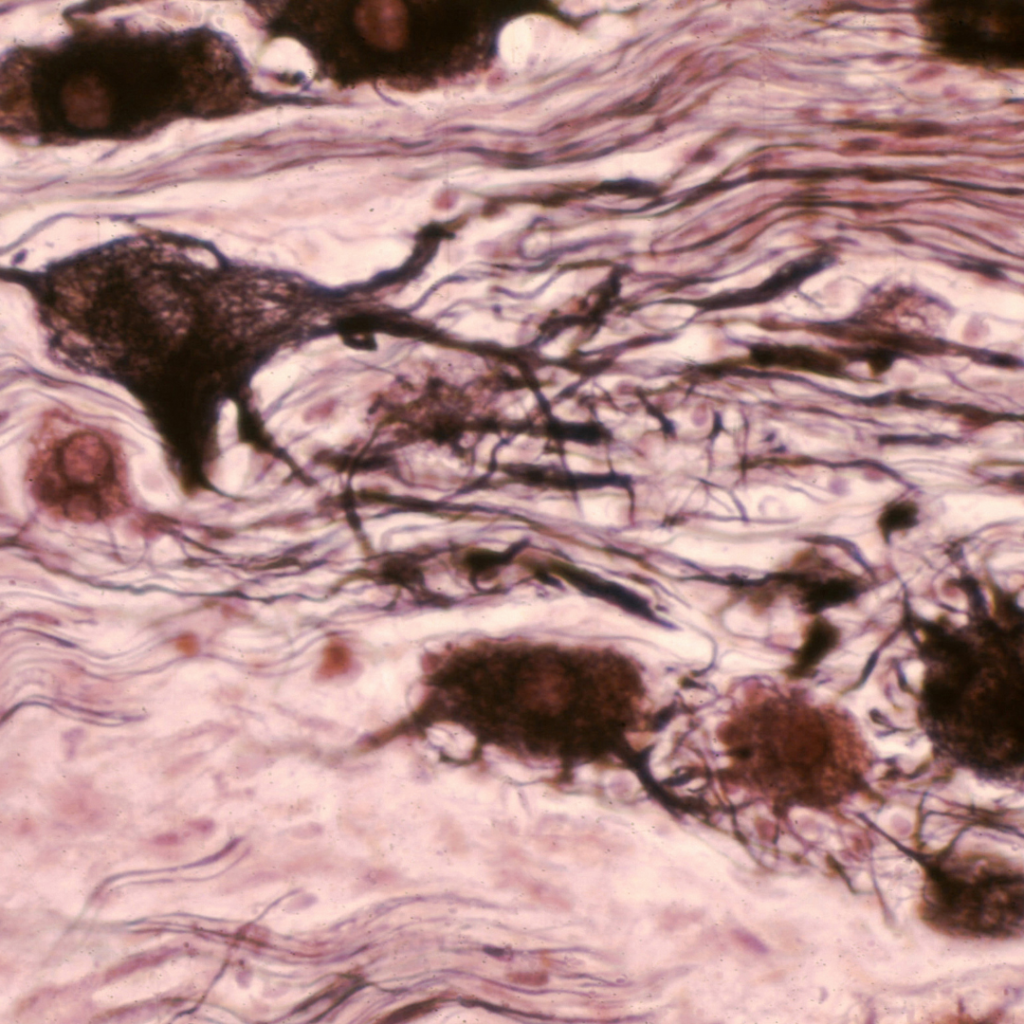
A lot rests on the stellate ganglion. Because it provides most of the sympathetic nervous system in the upper body, it’s deeply entrenched in the body’s physical stress response.
But the sympathetic nervous system can also play a role in pain. When the nervous system is damaged or its signaling becomes disrupted, pain signals can sometimes continue even when there’s no ongoing injury or other clear cause. This is a condition known as sympathetically mediated pain (SMP).
Pain caused by the nervous system itself can be especially challenging to treat. But physiatrists have developed ways to interrupt those unnecessary pain signals, including a treatment known as a stellate ganglion block.
Stellate Ganglion Blocks
Stellate ganglion blocks (SGB) are injections that block the pain signals from the stellate ganglion to the brain. SGBs have been used to treat pain for decades. For conditions like Ménière’s disease, Postural Orthostatic Tachycardia Syndrome (POTS), hyperhidrosis, phantom limb pain, migraines, and Raynaud’s syndrome, stellate ganglion blocks have proven an effective way of mitigating the symptoms. And in cases of SMP, the injections are particularly helpful because they block those unnecessary signals to the brain.
Researchers have also been looking into the effects of SGBs on mental health conditions like PTSD. The stellate ganglion plays a role in the body’s fight-or-flight response. So blocking these nerves may help reduce some of the physical symptoms associated with PTSD. It’s another example of just how closely our physical and mental well-being can be connected.
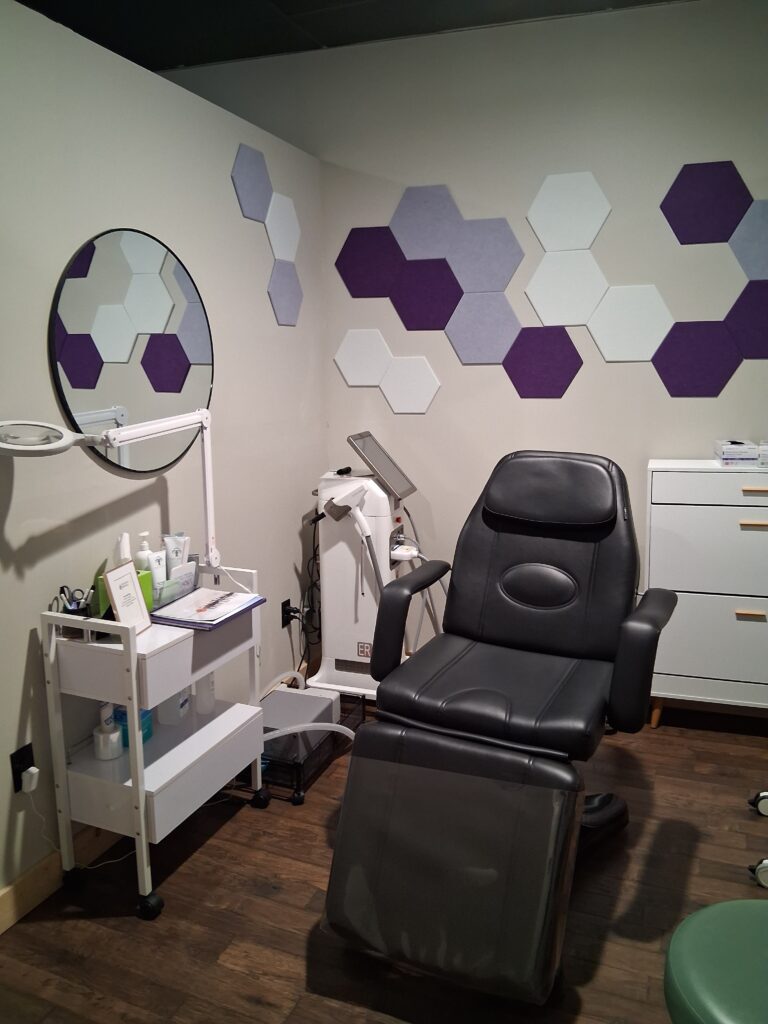
At Introspect Wellness, we believe that feeling your best means caring for both your physical and mental well-being. By offering stellate ganglion blocks here in Southern New Hampshire, we’re expanding the ways we can help people feel better and get back to feeling more like themselves.
If you’ve been managing pain, stress, or other symptoms long-term, we’re here to help you explore physiatry and find out what your options. Set up a consultation with one of our team members. You’ll be able to learn more about stellate ganglion blocks and whether it’s a treatment that might be right for you.